
Facebook advertising offers a powerful platform to reach a vast audience and achieve your marketing goals. Here’s a guide to creating effective Facebook ads:
1. Define Clear Objectives
- Identify Your Goal: Choose an ad objective based on what you want to achieve—brand awareness, engagement, website traffic, lead generation, or conversions.
- Facebook Ads Manager offers several objectives like Awareness, Consideration, and Conversion.
2. Understand Your Audience
- Targeting: Facebook’s strength is its advanced targeting options. Define your audience based on demographics, interests, behaviors, location, and connections.
- Custom Audiences: Use Custom Audiences for retargeting based on website visitors, email lists, or app users.
- Lookalike Audiences: Expand your reach by targeting users similar to your existing audience.
3. Craft Compelling Ad Creatives
- Visual Appeal: Use high-quality images or videos that resonate with your audience. Make sure they are mobile-friendly and adhere to Facebook’s creative specs.
- Eye-Catching Headlines: Create attention-grabbing headlines. Keep them concise and relevant to your ad’s objective.
- Clear Call-to-Action (CTA): Ensure your CTA encourages action (e.g., “Shop Now,” “Learn More,” “Sign Up”). Align it with your goal.
4. Leverage Different Ad Formats
- Image Ads: Simple but effective for promoting products or services.
- Video Ads: Videos generate more engagement; use short, impactful videos to convey your message.
- Carousel Ads: Showcase multiple products or features in one ad.
- Collection Ads: Best for eCommerce, these allow users to browse products within the Facebook platform.
- Lead Ads: Designed to capture lead information directly within Facebook without needing to send users off-platform.
5. Use Facebook Pixel for Conversion Tracking
- Install the Facebook Pixel on your website to track visitor behavior and conversions. This helps optimize your ad campaigns and target the right audience segments.
6. A/B Testing
- Experiment: Test different versions of your ads (headlines, images, CTAs) to determine what works best.
- Measure Success: Use metrics like click-through rates (CTR), conversion rates, and cost-per-click (CPC) to gauge ad performance and make data-driven decisions.
7. Optimize Your Ads for Mobile
- Since most users browse Facebook on mobile, ensure your ads are mobile-optimized. Use vertical videos, and mobile-friendly text sizes, and keep load times fast.
8. Set a Budget and Bidding Strategy
- Budget Options: Choose between a daily or lifetime budget. Start small and scale up based on performance.
- Bidding: Let Facebook optimize your bid automatically or set manual bids if you want more control over cost-per-result.
9. Monitor and Adjust in Real-Time
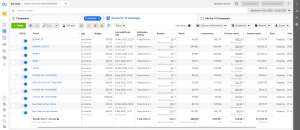
- Performance Tracking: Continuously monitor the performance of your ads through Facebook Ads Manager. Look at key metrics such as reach, engagement, and conversions.
- Optimize: Adjust targeting, bidding, or creative elements based on real-time data to improve results.
10. Stay Updated with Facebook Ad Trends
- Keep up with platform changes, new ad formats, and tools that Facebook introduces to enhance performance and engagement.
This intro highlights Facebook’s potential as a platform before diving into the step-by-step guide.