Dropshipping has become one of the most popular ways for aspiring entrepreneurs to start an online business. With Shopify, you can launch a fully operational store without the hassle of inventory management, fulfillment, or huge upfront costs. But what exactly does it take to succeed in Shopify dropshipping? In this beginner’s guide, we’ll break down everything you need to know to get started and grow your dropshipping business.
What is Dropshipping?
Dropshipping is a business model where you sell products without holding inventory. When a customer places an order in your Shopify store, you purchase the product from a third-party supplier who ships it directly to the customer. The key advantages include:
- Low startup cost: You don’t need to buy inventory upfront.
- No need for warehousing: Suppliers handle storage and shipping.
- Location independence: You can manage your store from anywhere in the world.
Why Choose Shopify for Dropshipping?
Shopify is one of the best eCommerce platforms for dropshipping for several reasons:
- User-friendly: No coding skills are required to set up or manage your store.
- Customizable: Shopify has thousands of apps and themes to help you tailor your store.
- Scalable: Whether you’re making a few sales a month or thousands, Shopify can handle it.
- Dropshipping integrations: Shopify integrates with popular dropshipping apps like Oberlo, DSers, and Spocket, making it easier to find suppliers and automate order fulfillment.
Step-by-Step Guide to Shopify Dropshipping Success
1. Choose Your Niche
The first step is choosing a niche—a specific category of products to sell. Your niche should be:
- Profitable: Research products with good profit margins and demand.
- Not overly saturated: Avoid markets with too much competition.
- Aligned with your interests: If you’re passionate about your niche, it’ll be easier to stay motivated.
Use tools like Google Trends, Amazon Best Sellers, and Shopify’s own product research tools to validate your niche idea.
2. Find a Reliable Supplier
Finding reliable suppliers is crucial for dropshipping success. The quality of your products and shipping times will heavily influence customer satisfaction. Some popular platforms for finding suppliers include:
- AliExpress: A go-to for many dropshippers due to its vast range of products and suppliers.
- Spocket: Offers faster shipping as it connects you with suppliers in the US and Europe.
- SaleHoo: Provides a curated directory of trusted suppliers.
- Modalyst: Another great platform for finding suppliers that offer branded products and faster shipping times.
Make sure to order samples from your suppliers to test product quality and shipping reliability before launching.
3. Set Up Your Shopify Store
Once you’ve chosen a niche and found suppliers, it’s time to set up your Shopify store. Here’s what you need to do:
- Create an account: Sign up for a Shopify account and choose a pricing plan.
- Choose a domain name: Pick a domain that’s relevant, easy to remember, and brandable.
- Select a theme: Shopify offers free and paid themes to give your store a professional look.
- Install dropshipping apps: Add apps like Oberlo, DSers, or Spocket to sync products and automate order processing.
4. Optimize Your Product Pages
Your product pages need to be optimized for both conversions and search engines. Here’s how:
- Write compelling product descriptions: Highlight the benefits of the product and use persuasive language.
- Use high-quality images: Customers can’t touch the product, so high-quality visuals are essential.
- Price your products smartly: Factor in supplier costs, shipping, and your profit margin when pricing products.
- Add customer reviews: Reviews and testimonials can build trust and boost sales.
5. Set Up Payment and Shipping
Make sure your payment and shipping processes are seamless. Shopify integrates with payment gateways like PayPal, Stripe, and Shopify Payments to make it easy for customers to pay. Set up your shipping settings based on your supplier’s location and delivery times. You can offer free shipping, or pass the shipping cost on to the customer.
6. Market Your Store
Without traffic, your store won’t generate sales. Here are some effective marketing strategies for dropshipping:
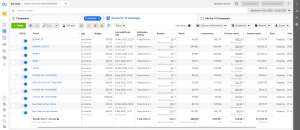
- Facebook and Instagram Ads: Target your ideal customers with paid ads. Start small and scale once you see results.
- Influencer marketing: Partner with influencers in your niche to promote your products.
- Content marketing: Start a blog, YouTube channel, or Instagram page where you share content related to your niche.
- Email marketing: Capture visitors’ email addresses and send them offers, discounts, and product updates.
- SEO (Search Engine Optimization): Optimize your store and product pages with keywords so that customers can find you through search engines.
7. Analyze and Optimize
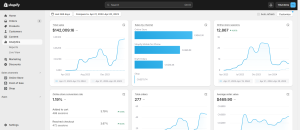
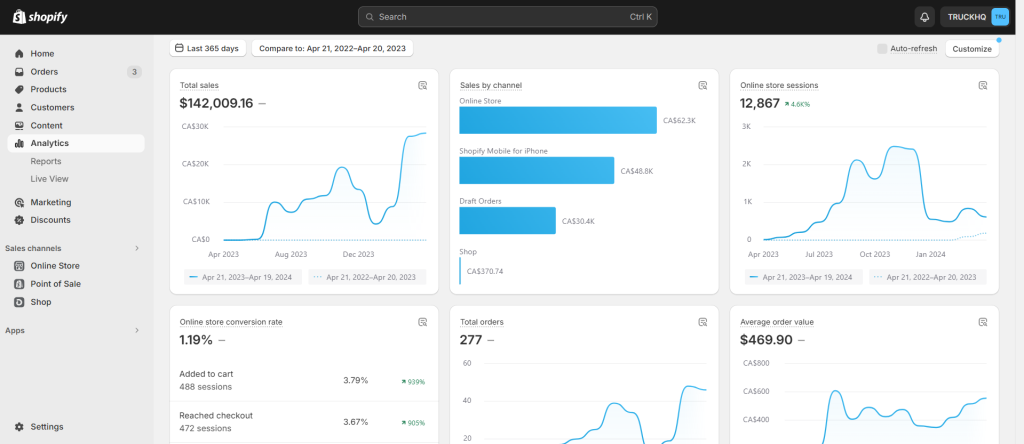
As you start making sales, keep a close eye on your store’s performance. Shopify provides robust analytics tools that allow you to track important metrics like sales, traffic, and customer behavior. Regularly review your data to identify areas of improvement. If certain products are underperforming, try different pricing or test new suppliers. Keep optimizing your ads and marketing campaigns to improve your return on investment (ROI).
Common Challenges and How to Overcome Them
- Long shipping times: If you’re using suppliers from overseas, shipping times can be long. Be upfront with customers about expected delivery times, and look for suppliers that offer faster shipping options.
- Returns and refunds: Returns can be tricky in dropshipping. Establish clear return policies and communicate them to both your customers and suppliers.
- Thin profit margins: To make dropshipping worthwhile, focus on finding products with good margins, upsell higher-ticket items, and minimize advertising costs.
Conclusion: Be Patient and Persistent
Shopify dropshipping is a great business model for beginners, but success won’t happen overnight. It requires continuous learning, testing, and refining. By choosing the right niche, working with reliable suppliers, and effectively marketing your store, you’ll be well on your way to dropshipping success.
Good luck, and remember—every successful dropshipper started as a beginner just like you! Keep pushing, stay curious, and don’t be afraid to experiment.
Are you ready to start your dropshipping journey with Shopify? Let us know in the comments about your niche ideas or any questions you may have!